
Brian Brueggen
BANDLEADER · CONCERTINA · Vocals
The Mississippi Valley Dutchmen play in the Dutchman style, the dance band tradition that grew up around New Ulm, Minnesota, and filled the ballrooms of the Upper Midwest through the 1950s and ’60s. The concertina carries the melody, the horns answer, and the tuba keeps the dancers moving. Alongside polkas and waltzes, the band plays Dixieland, swing and big band numbers, sung in English and German.
Brian calls it dance band music: music for two people dancing together and sharing the floor with everyone else.
“The dance band era is very important. I love keeping it alive and sharing the music that my family, friends and dancers have enjoyed for generations.”
With this band, that music comes to life.
So the band keeps its full sound and plays each arrangement as written, at its full length and with the chords the composer chose. Audiences notice. “We’re hearing songs we haven’t heard in years,” they tell him. Someone always asks for one more song.

THE BANDLEADER
Brian Brueggen was eight years old when he played his first job, beside his father, Philip Brueggen, in the family band. At twelve, on a night when the band’s concertina player failed to appear, he picked up the instrument himself. He has not put it down since.
He played with his father and uncles until he was eighteen. Then, in the fall of 1984, he stepped out with a band of his own: the Mississippi Valley Dutchmen.
It was not an obvious time to start a big band. Ballrooms were closing, and smaller groups were taking over. Brian was told more than once that a big band could not last. He took whatever work he could find to pay his musicians and keep the band on the road. “It hasn’t always been easy,” he says, “but it has been rewarding.”
Ask Brian about his own playing and he turns the conversation elsewhere. The talent, he will tell you, is a gift from God, and the credit belongs to the men who taught him. His father could not read a note of music and played everything from the heart; he could hold a crowd, Brian says, whether he had his trumpet in his hand or not. Sylvester (Syl) Liebl, whom Brian first went to watch at eight or nine, became almost a second father, and left him a line he still lives by: "It's nice to be important, but it's more important to be nice." Jerry Schuft was another mentor. Both men stayed in touch with Brian for years, sending records and 8-track tapes of their playing, and Brian listened closely. He looked up to them then, and he looks back on them with respect and gratitude.

Brian has had offers to leave Cashton. Ask him why he stayed and he pauses, then grins.
“It’s always been home. I’ve had my days on the road, but this is home.”
It is where he was raised, and where his music has always been welcome. Of all the compliments Brian has received over the years, the one he treasures most came from his friend Scot Wall: “Brian, you are a great ambassador of Cashton.”
Away from the bandstand, he is most often at the family’s hobby farm with his wife, Jodi, fishing, snowmobiling and spending time with friends, family and grandchildren.
MEET THE BAND
BANDLEADER · CONCERTINA · Vocals

DRUMS · PIANO

TRUMPET · SAXOPHONE · CLARINET · Concertina

SAXOPHONE · TRUMPET · CLARINET · PIANO · Accordion · VOCALS

TUBA · BANJO · PIANO · Guitar

TRUMPET · TROMBONE · SAXOPHONE · VOCALS
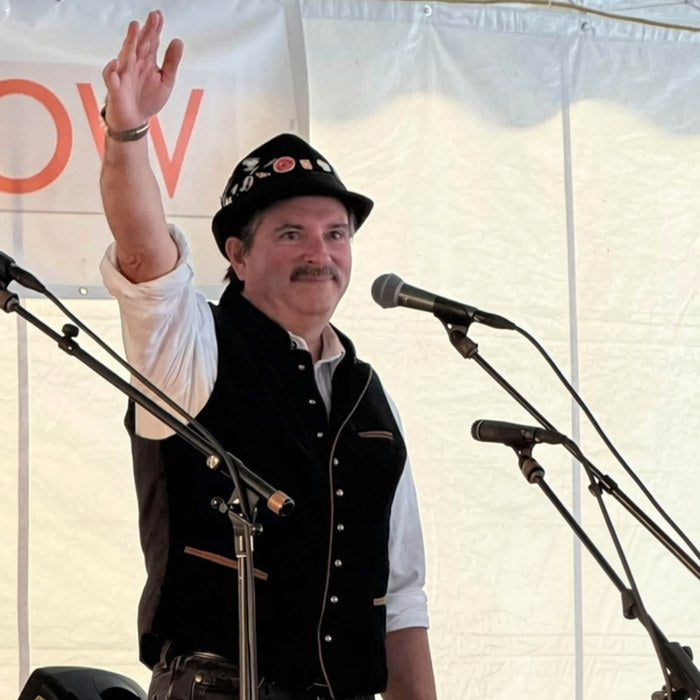
TRUMPET · PIANO

BANJO

PIANO · SAXOPHONE
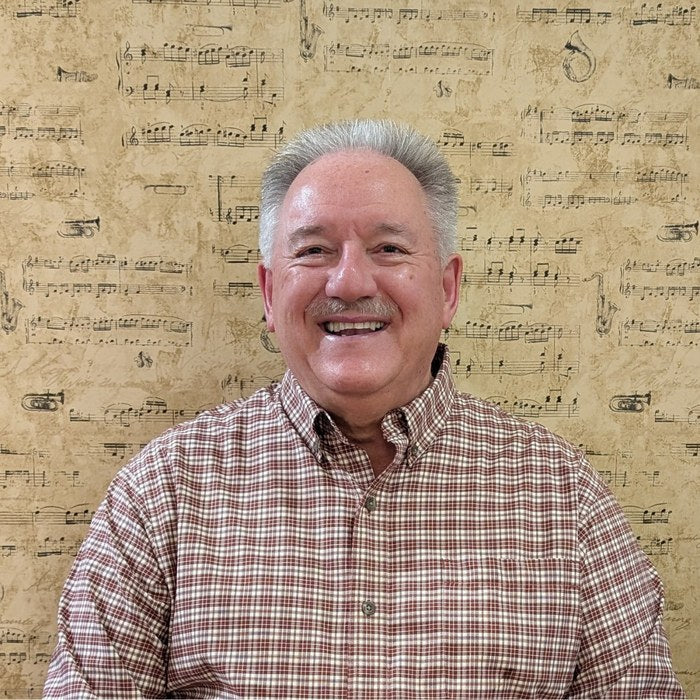
TRUMPET · TROMBONE

DRUMS
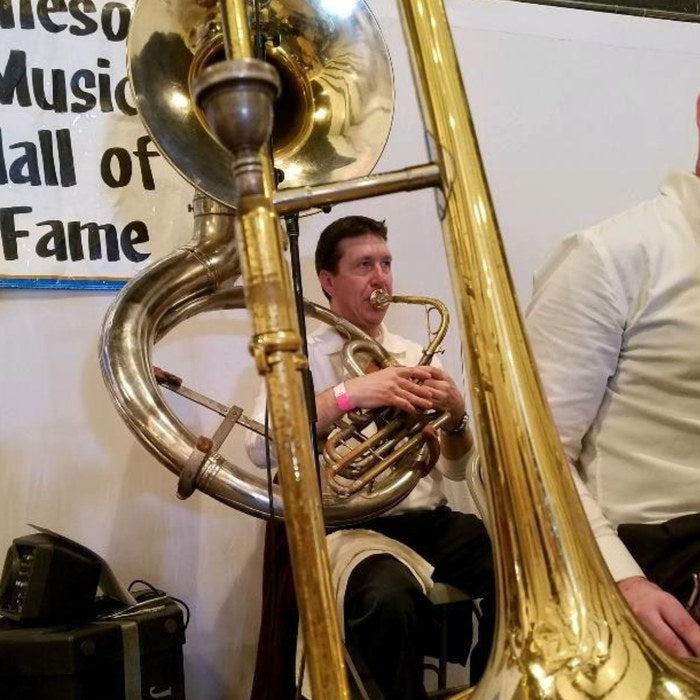
TUBA · Banjo